Best First Intermediate Table Tennis Rubbers in 2026
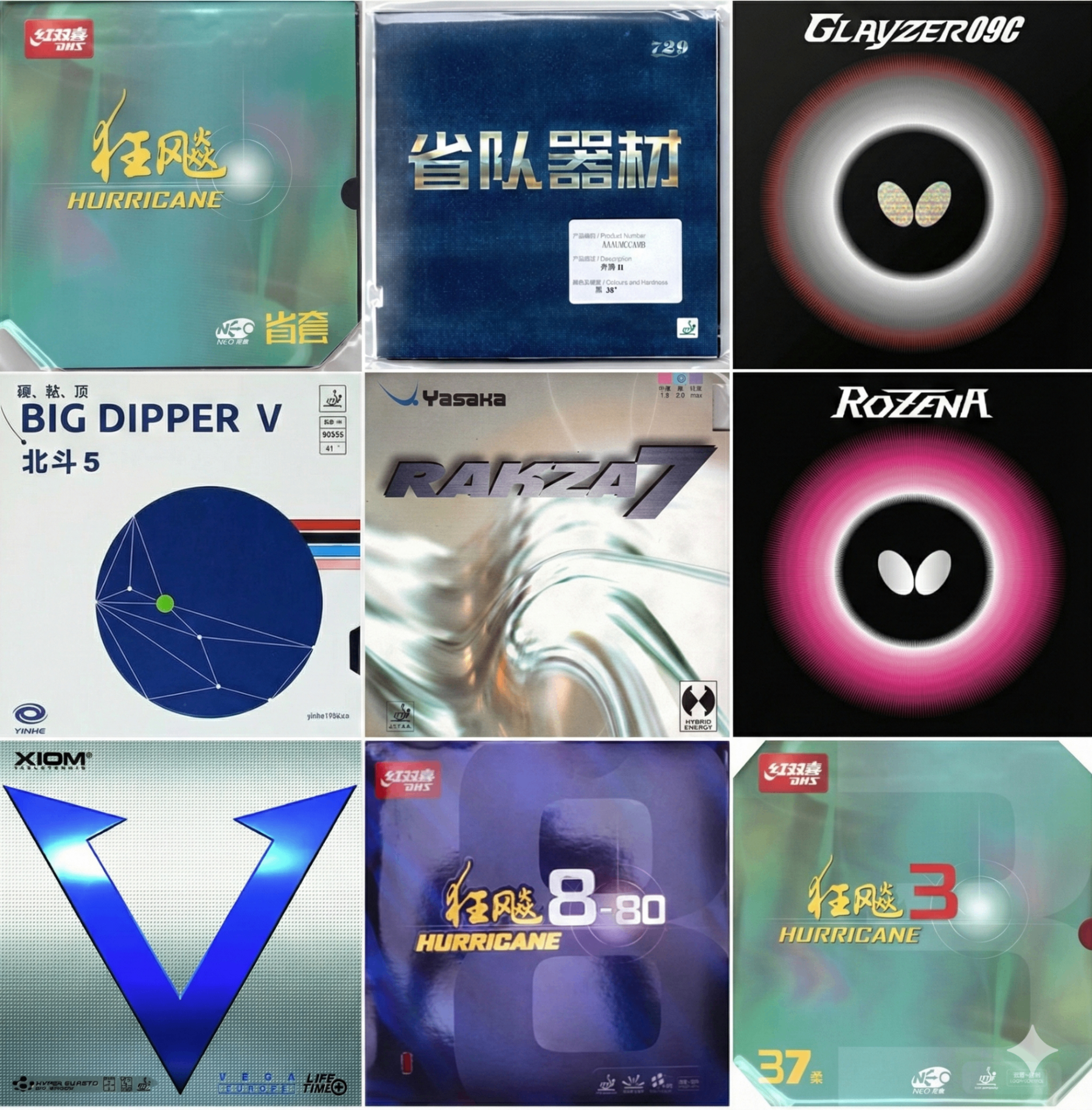
Upgrading your beginner's custom blade: How to choose the best first intermediate inverted table tennis rubbers
Side note: I will not be discussing pips/anti rubbers here. That requires a completely different kind of post due to the fundamental differences in body mechanics, rubber physics, required technique and play style.
In my last post, I discussed how fast equipment can stall your technique as a beginner and why you should avoid the "Fast Food" trap of table tennis: buying fast equipment that feels good now but ruins your technique later.
Buying a "carbon cannon" gives you an initial rush of speed, but for a beginner without a coach or intense training, it becomes a problem. To keep the ball on the table, you are forced to "brake" your swing to compensate for the equipment's high raw power. This traps you in a shy, "brush-only" stroke and prevents you from ever developing the explosive "hit-brush" contact that the pros actually use to generate true power.
Now, if you followed my advice, you hopefully started with "Broccoli": a classic 5-ply all-wood all round blade and control-oriented rubbers like 729 FX / Super Soft or Xiom Vega Intro.
But table tennis is a journey of progression, and hopefully you are experiencing that right now. If that's the case, the moment has come where that controlled beginner setup is transforming from being a safety net into an invisible ceiling. This is because beginner setups are capped in how much spin and speed they can give. This is a good thing in the beginning, but if you start forcing your technique (i.e. wild long swings) to generate more power because your opponents can return everything easily and/or the ball falls short, then it's the moment to upgrade to something better.
Today, I am going to talk about the solution. We will discuss how to upgrade your rubbers intelligently—keeping your wood blade to maintain feeling—while adding the necessary speed and spin to support your evolving technique. This is important to keep the changes isolated and still keep your all-wood blade feeling. If the rubbers don't work, you can always change, but at least you have a safe basecamp to always trust on. In the next blogpost, I will talk about upgrading your beginner's blade to an intermediate one.
Part 1: The "When" – Identifying the Tipping Point
The biggest mistake players make is upgrading because they want to be faster, not because their technique needs their equipment to be faster.
The Paradox of Forcing
As I mentioned before, as a beginner, slow gear saves you. It dampens your mistakes and helps you put full power into the shots without the ball flying away, so you learn the correct basic technique. But once your biomechanics solidify—when you understand power from the ground with weight transfer, waist rotation, and the "hit-brush" contact—slow gear can actually create a new bad habit: Forcing.
You know you are ready to upgrade when you experience these specific symptoms:
The Symptom:
The Consequence:
Part 2: Understanding Rubber Composition
But before you go ahead and happily empty your wallet, you need to understand what is happening inside the rubber; you need to know what you are getting into. Most players I know look at hardness degrees, but forget that rubbers have much more depth and that hardness is mostly an oversimplification of more complex factors, namely: Pore Size, Wall Thickness, and Pimple Geometry. Two quick notes: I will not be discussing rubber composition (natural vs synthetic rubber or the chemical compounds used to make the sponge). These recipes are top secret and thus not shared by the manufacturers, so we can only analyze the above factors. Secondly, I will not discuss sponge thickness here. Most intermediate players should choose a balanced thickness around 2.0mm and stop giving thickness any more importance than that.
1. Sponge Analysis: Pores and Walls
To understand the physics of a sponge, imagine the sponge is a mattress (or a piece of cheese, I love cheese and live in the place where Gouda cheese is made, so I found the metaphor highly fitting too).
1a. Pore Size: The Springs
The pores are the air pockets inside the sponge. This determines how easy it is to compress the mattress, or in other words:
1b. Wall Thickness: The Foam
The walls are the rubber pillars separating the air pockets. They determine the structural stability and maximum energy output of the rubber. They are the foam that surrounds the springs in your mattress.
The 4 Quadrants of Sponge Mechanics
By mixing pore size and wall thickness, manufacturers create distinct mechanical behaviors. Here is the breakdown of the consequences for your game:
| Quadrant | Pore Size | Wall Thickness | Behavior | Example | Consequence |
|---|---|---|---|---|---|
| 1 | Small | Thick | Linear explosion | Hurricane Neo 3 | What you put in is what you get out. No free speed. Infinite top power if used well. |
| 2 | Small | Thin | Absorption | Tackiness Chop | Absorbs incoming energy. Great for blocking, too slow for modern attacking. Good for defense nowadays. |
| 3 | Large | Thick | Bouncy explosion | Tenergy 05 | Non-linear. Bouncy on soft touches, explosive on hard hits. High arc. |
| 4 | Large | Thin | Catapult | Evolution FX-P | Loud sound, quick access to speed and spin, can be hard to control at high speeds, less gears. |
2. Topsheet Analysis: Pimple Geometry
To understand the physics of the topsheet linking to the rubber, imagine it is a roof held up by pillars. The "smooth" surface you see is the roof, and the pimples underneath are the pillars holding it up. The shape and layout of these pillars determine whether your roof feels like a concrete floor or a trampoline.
2a. Pip Size: The Pillars
This refers to how wide or thick the individual pimples are. This determines the stiffness of the contact point. It can also refer to how tall or short the pips are by the way (i.e. Zyre 03 has very short pips), but for now to keep things simpler, let's just focus on wide or narrow pips.
2b. Pip Spacing: The Density
This refers to the distance between the pimples. This determines how much "empty space" is under the surface.
Part 3: Biomechanics – Why FH and BH Need Different Rubbers
Now that you have more information on how a rubber really works, let's talk about what you need for your forehand and backhand. And yes, you read this well, I truly believe your forehand (FH) and backhand (BH) require different rubbers because they are fundamentally different strokes from a biomechanics perspective, so your equipment should be mindful of this.
The Forehand: The Body Powerhouse
On your forehand side, you have an "Open Kinetic Chain." You can rotate your hips, engage your legs, and turn your waist almost 90 degrees. You have a long swing arc and massive potential for acceleration. Because you are generating massive power with your whole body, you can handle a harder, tackier rubber (like a DHS Hurricane 3 or a hard ESN rubber). You have enough physical force to "activate" the hard sponge and compress it. You don't need the rubber to give you free speed; you need it to give you grip and control.
The Backhand: The Restricted Snap
Your backhand is anatomically restricted. You cannot rotate your hips through the ball because your arm crosses your body. Your swing is shorter, relying mostly on your forearm snap and wrist flick (although you should use your body too, just a bit less). Because you cannot generate the same raw power as your forehand, you need the equipment to help you. This is why we use "Tensor" rubbers (European/Japanese style) on the backhand. These rubbers have a "Catapult Effect" (bounciness). They act like a trampoline, giving you the extra speed and spin that your body mechanics cannot produce on its own.
Victor's Rule of Thumb
Part 4: Recommendations
To make this easy, I have broken down the recommendations into two distinct strokes: the forehand and the backhand. I have also broken it down into recommendations from the different rubber philosophies, trying to give a comprehensive overview into all the possibilities for all the different preferences and tastes. I will keep the rubber summaries short, as today's blogpost is not aimed at reviewing materials, that's for another day, but there are plenty of players out there that have already done great reviews. Please check those for more in-depth information about a certain rubber.
1. The Forehand Upgrade
The forehand is often seen as your primary power weapon (and I agree). Choose your own adventure based on your preferred style of play.
Path A: The Chinese Style (Hard & Tacky, Linear)
Best for: Players who want to develop a hit-brush loop and are willing to learn the right technique and use active footwork. These rubbers are very tacky and hard, and can give huge amounts of spin and speed when activated. But beware, they are physically demanding and require correct technique and footwork.
The Recommended: DHS Hurricane 3 Neo 39 Orange Sponge
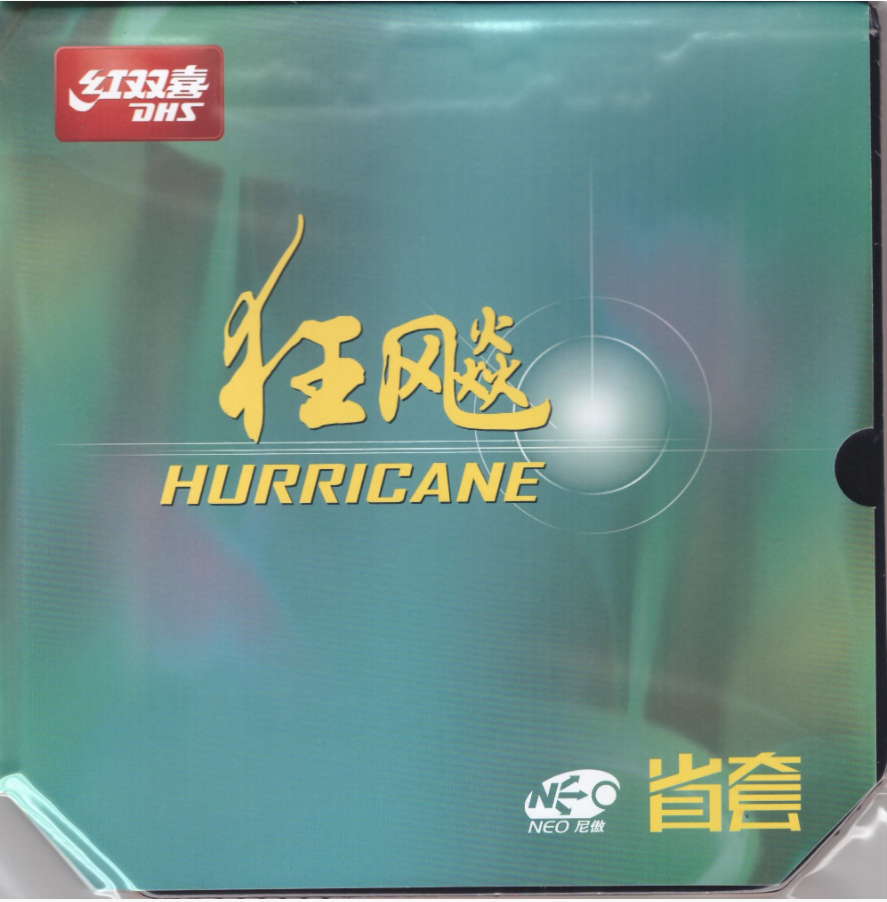
DHS
Hurricane Neo 3 Provincial (Orange)
The Feeling: Dead and hard as a brick plus very slow on passive strokes, but a true monster when you swing hard and hit through the sponge. Unboosted is very controlled, great for short game and serves, and a fair teacher that will teach you how to loop if you use your legs and body correctly. If you are lazy, this will be a nightmare. Boost it with one or two layers and you will experience magic. Slow and fast when needed and incredible speed and spin when paired with the right technique and footwork. My personal favorite rubber for years. I now use the blue sponge version but first users should start with the orange one. Buy the provincial version to avoid a tacky gamble on the commercial QA process. Avoid national, too expensive, not needed and the market is full of fakes.
The No-Boost Cheap Alternative: Friendship 729 Battle II
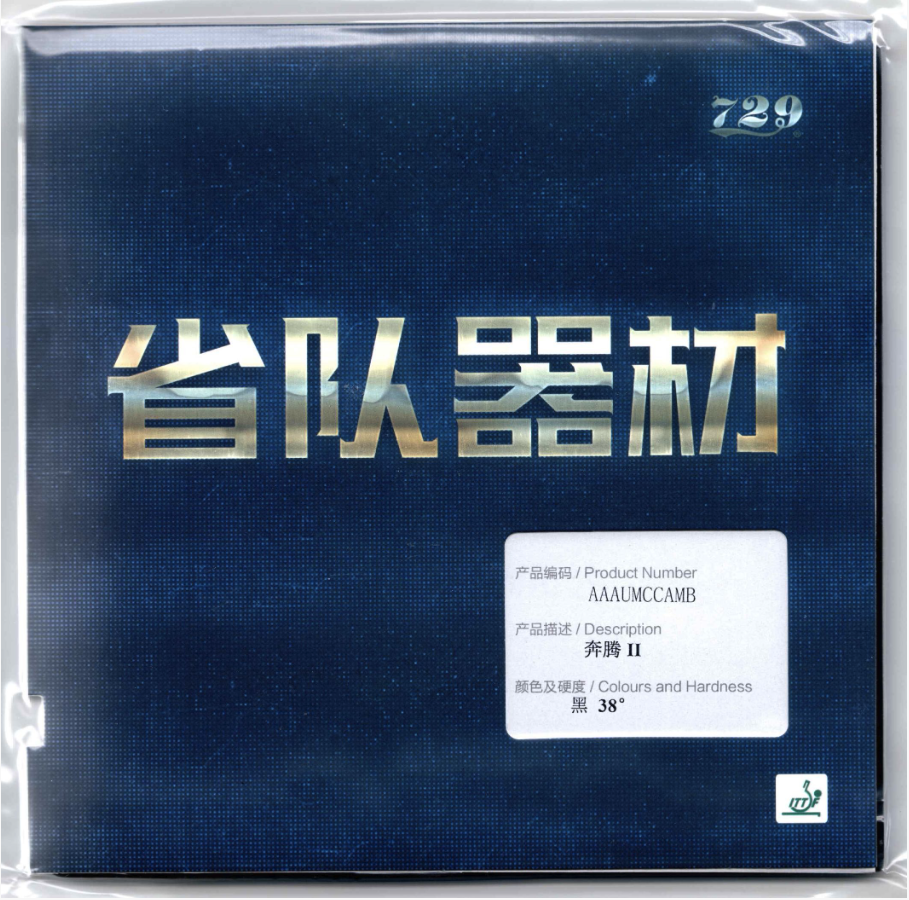
Friendship/729
Battle II Provincial (Blue)
The Feeling: The best budget tacky rubber for those of you who don't want the hassle of boosting. Boosting allows you to fine tune a rubber to your own preference but the Battle II has been tuned to cater to most people's preference. It is bouncier than Hurricane out of the package (due to factory tuning) and offers tremendous spin and speed for its price. I used it for several months when I was in my non-boosting period and I really enjoyed my forehand loops with it. I have nothing to say against it, if you don't want to boost, use this. Remember though, always provincial blue sponge, it's way better and balanced than any other versions.
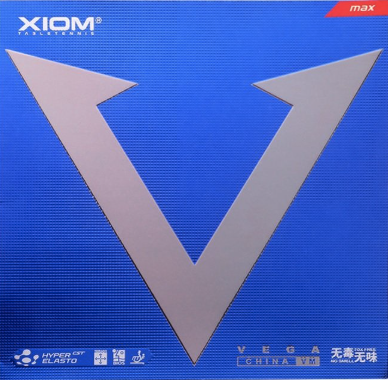
I only have two great options for the first intermediate Chinese-style rubber. Some people may wonder why the Sanwei Target National (new version) is not in this category. This is because I don't think it's a true Chinese-style rubber, it feels more like a hybrid and it's probably too fast for the first intermediate rubber. It's a fine line here, it's easy to disagree here since there are plenty of nuances here, but I believe that choosing any of the above 2 will set you up for success. From the community of Table Tennis Daily, the Xiom Vega China is also a very good alternative for a Chinese forehand with a hybrid touch like the Sanwei Target National.
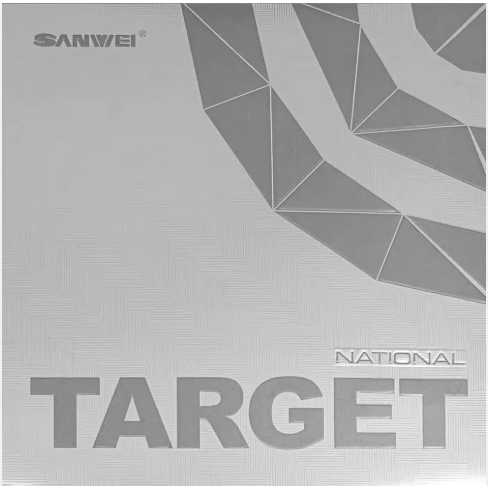
Sanwei
Target National (New)
Xiom
Vega China VM
Path B: The Hybrid Approach (Mix of both worlds)
Best for: Players who don't like a hard Chinese rubber but want the control and spin of it. Or players who are moving from tensor to Chinese rubbers and need an in-between stop to get used to them.
The Recommended: Butterfly Glayzer 09C

Butterfly
Glayzer 09C
The Feeling: The little brother of Dignics 09C, pretty much the same philosophy behind it but less spin and power to make it more controlled. It's the best in-between step towards its Dignics brother together with Rakza Z so it plays very similar to 09C. Focus is on spin, it has a high throw angle (less pronounced than Dignics) and a low base speed. Only when the sponge is activated does it release the speed. It's not too tacky and not too bouncy and the price is good for Butterfly standards. It's a rubber that will give you stability and control given you use the right technique to go through the relatively hard sponge, but in any case it will be safe to get started with. And please do not boost it, it's not made to be boosted.
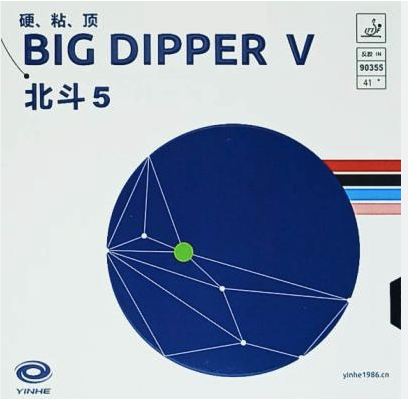
The Budget Friendly Alternative: Yinhe Big Dipper V
Yinhe
Big Dipper V
The Feeling: Same philosophy as Hurricane 3 Neo but with a less tacky topsheet and a pre-tuned more tensor like soft sponge. You essentially get what a hybrid promises to do for not too much money: easy in the short returns and spinny on serves. Fast when activated on loops and power strokes. Again, no need to boost this rubber, so please avoid that.
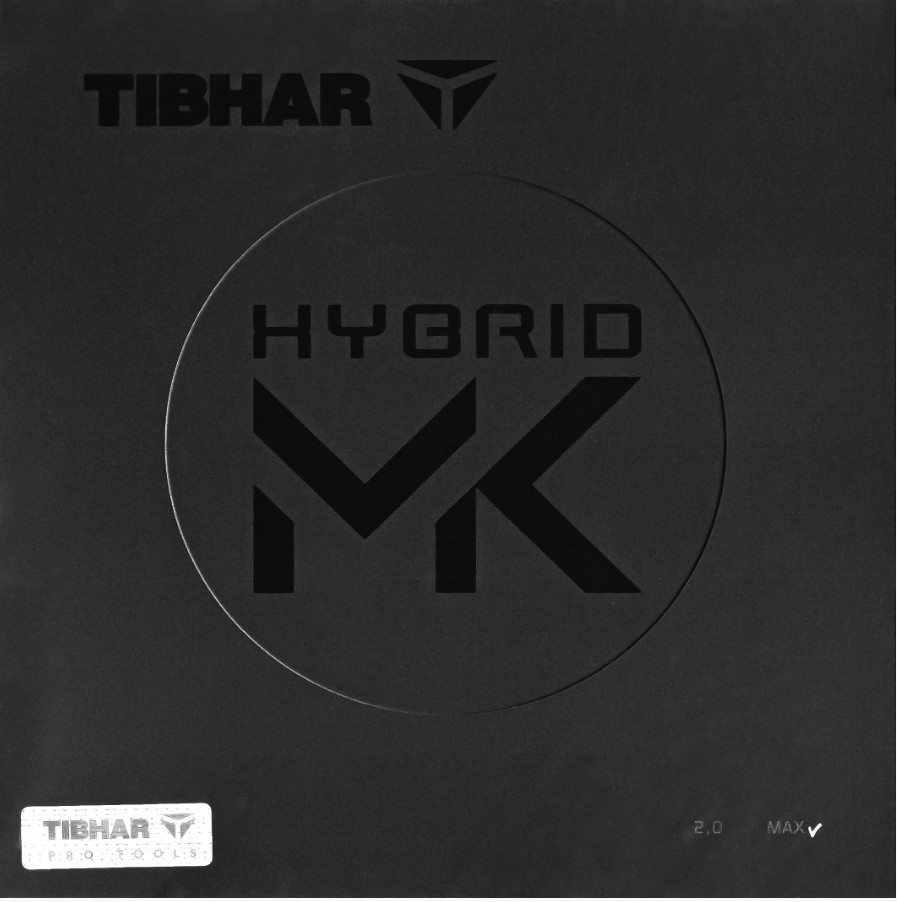
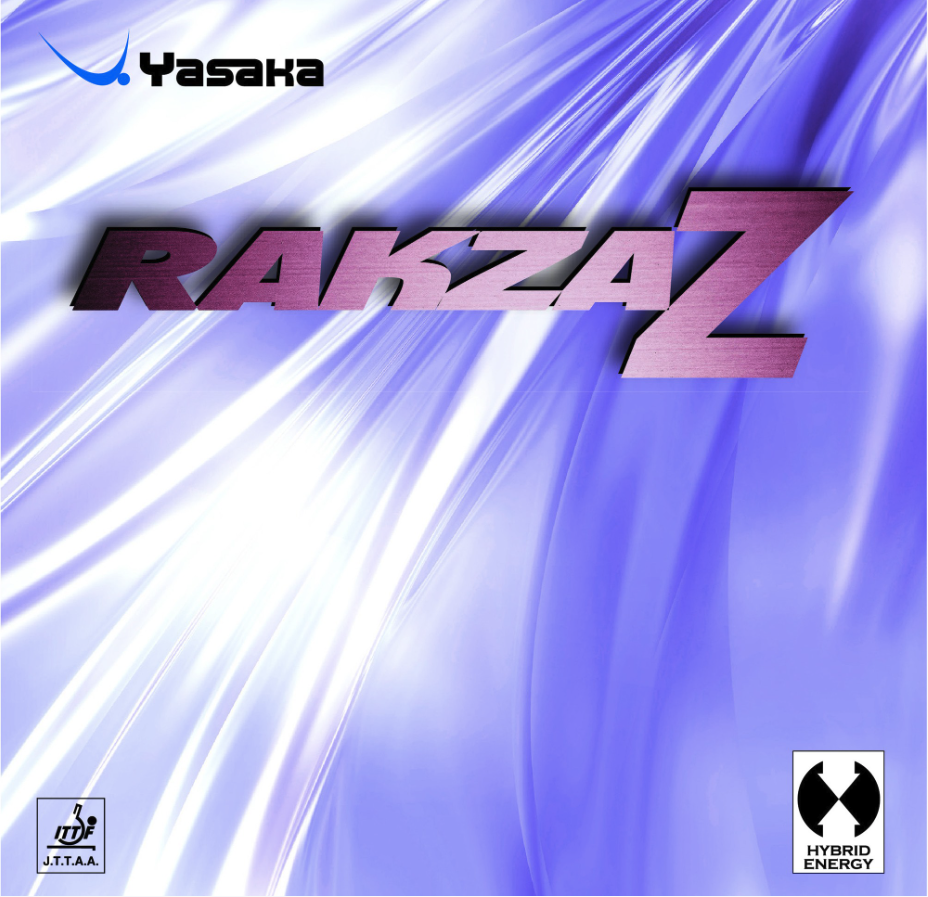
As in the above section, I only offer two possibilities here. There are two rubbers that I won't discuss in detail today, Tibhar MK and Rakza Z. While they are also very popular hybrid choices I believe that they are either too fast, too bouncy or too high throwing for a player who just moves to the intermediate level to use. But it is worth noting that the Tibhar MK is the impostor of hybrids and a faster rubber than the above. It's not tacky (but bouncy) but its composition mimics the dwell time of a tacky rubber. Rakza Z is one of my favorite BH rubbers of all time and a great budget option for Dignics 09C but I will discuss it for medium-high intermediates, as the high throw it has makes it really hard to use for lower level players.
Tibhar
Hybrid MK
Yasaka
Rakza Z
Path C: The European/Tensor Style (Softer and Bouncier, Non-Linear)
Best for: Players who prefer the bouncier and loud crack feeling of catapult tensor rubbers or players who are limited in the use of their body (due to injuries or health condition) and need help in producing speed and spin.
The Recommended: Yasaka Rakza 7
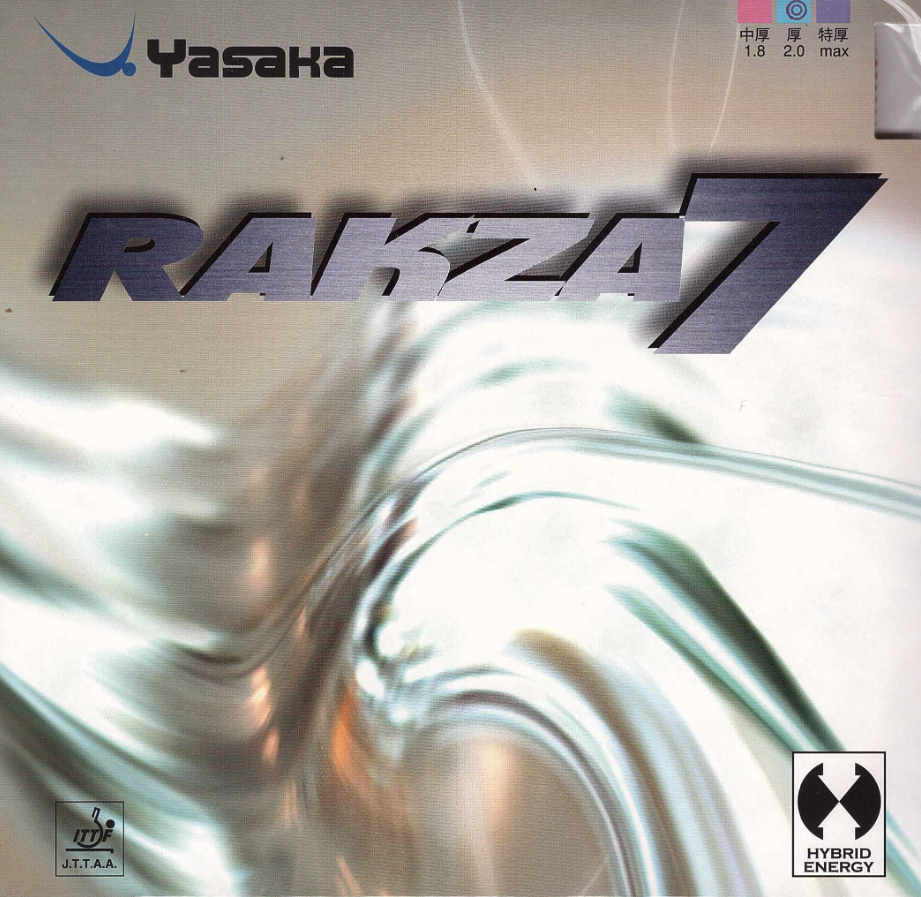
Yasaka
Rakza 7
The Feeling: This is one of the most linear tensor rubbers that exist out there, and thus a classic in control and safety. Yasaka says that they used more natural rubber than synthetic and thus the topsheet bites into the ball very well, and since the sponge is not very bouncy, it does not have that bouncy feel that you will experience with the Rozena. This also means no surprises, hit the ball fast and you get fast, hit the ball slow, you get slow, just like a Chinese rubber and that's why I love this rubber for new intermediate players. If you prefer the tensor feeling but want a forgiving and fair teacher, this is your rubber. Multiple players of our club use it and it's a success every single time all the way to medium-high intermediate.
The Great Spring-Sponge Alternative: Butterfly Rozena

Butterfly
Rozena
The Feeling: You could call this rubber the "Tenergy for the aspiring player or the normal people." It was made for tolerance but shares the same spring sponge philosophy as its Tenergy bigger brother. It is softer and less bouncy than Tenergy but still helps you in every shot by producing a certain amount of 'free' speed and spin and thus, it is Butterfly's answer to beginner demands. Since it's often pricier, use this if you want to later on upgrade to the other Tenergy series and want to already get used to the spring sponge feeling.
As in the sections above, there are 2 rubbers here that I haven't mentioned that did not make the cut but are worth discussing briefly. One of those is the Nittaku Fastarc C-1. It's pretty much a G-1 with a softer rubber, and many people love it for the backhand. I think it's too fast for an intermediate player on FH but it can be a perfectly fine alternative if you are used to it or like its feel. The other is the Xiom Vega Pro. It's a clear step up in speed and spin from its more controlled Xiom Vega Europe version but many people choose this (also in our club) as their preferred forehand rubber. Nowadays there is even a Hybrid version of it that I would recommend more for FH. I had a great feeling with it but it's still very fast if activated correctly, so not my first advice for the target audience of this blogpost. Another rubber worth mentioning is the Tibhar Aurus Prime. This one comes from this Table Tennis Daily thread where one member recommends it as a controlled rubber that can do it all. I think it will be a bit too fast for beginners but it's definitely worth trying out if you're a more confident intermediate player.
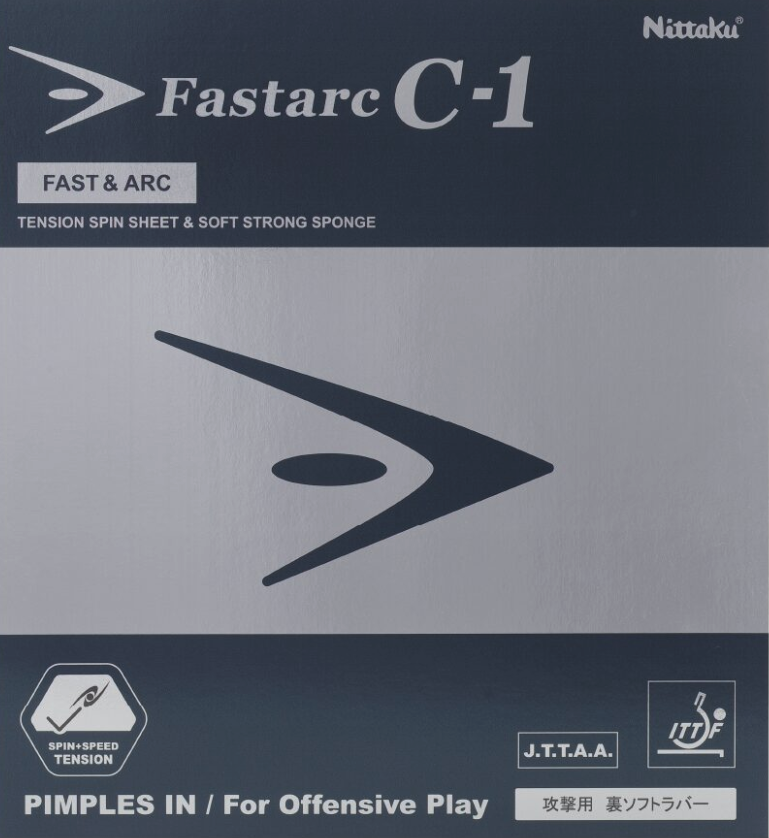
Nittaku
Fastarc C-1
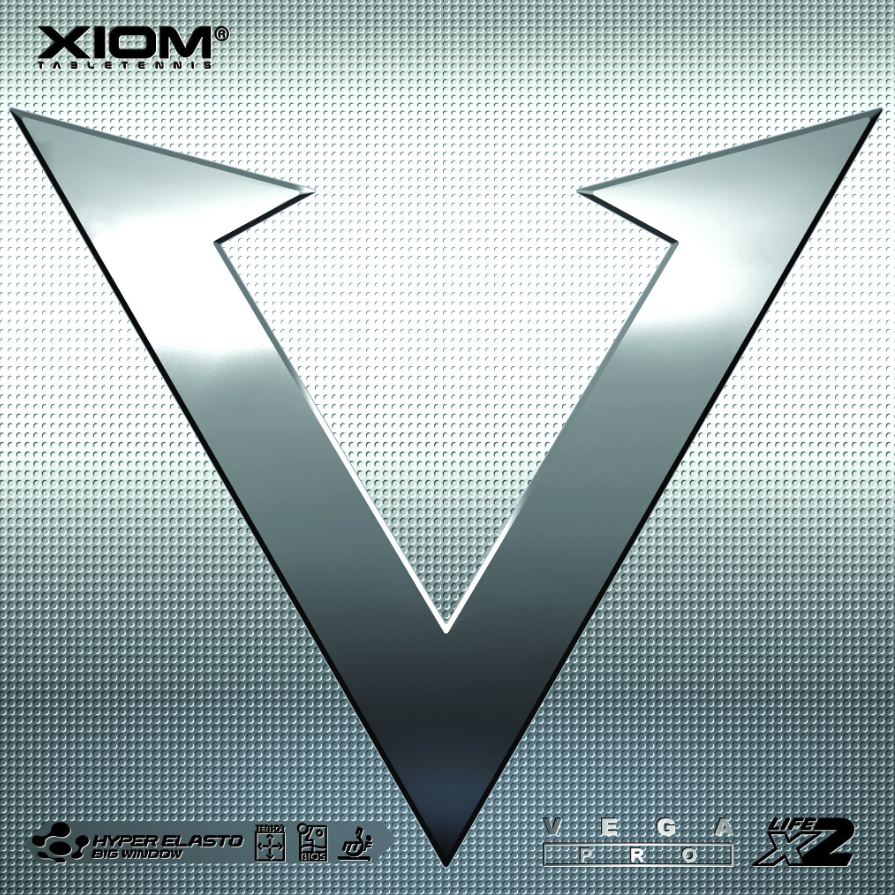
Xiom
Vega Pro
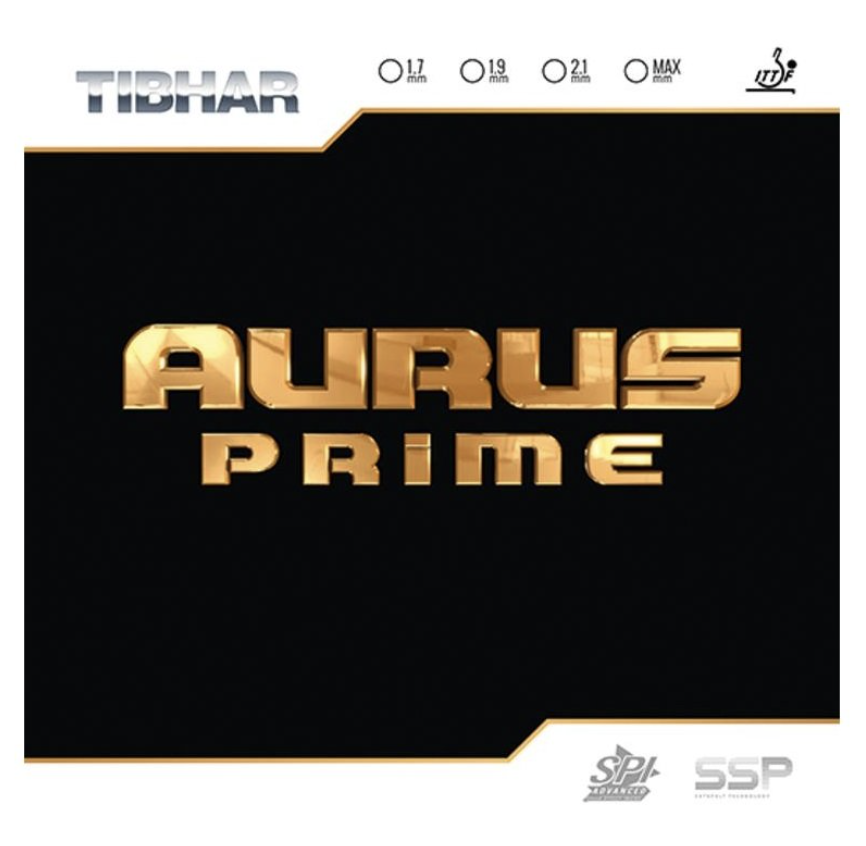
Tibhar
Aurus Prime
2. The Backhand Upgrade
For the backhand, you generally want more help (catapult) from the rubber due to the body mechanics as explained above, but since some players prefer the tacky controlled feeling of a Chinese rubber, I advise them to use a hybrid or semi-hybrid. Using a full Chinese rubber on the backhand is not recommended unless the sponge is soft and you boost it.
Path A: The European/Tensor Style (Softer & Bouncier, Non-Linear)
Best for: 90% of developing players. It will help you activate the sponge faster, add extra spin and speed when your strokes are not fully sound and it will give you confidence to lift backspin with a shorter stroke.
The Recommended: Xiom Vega Europe
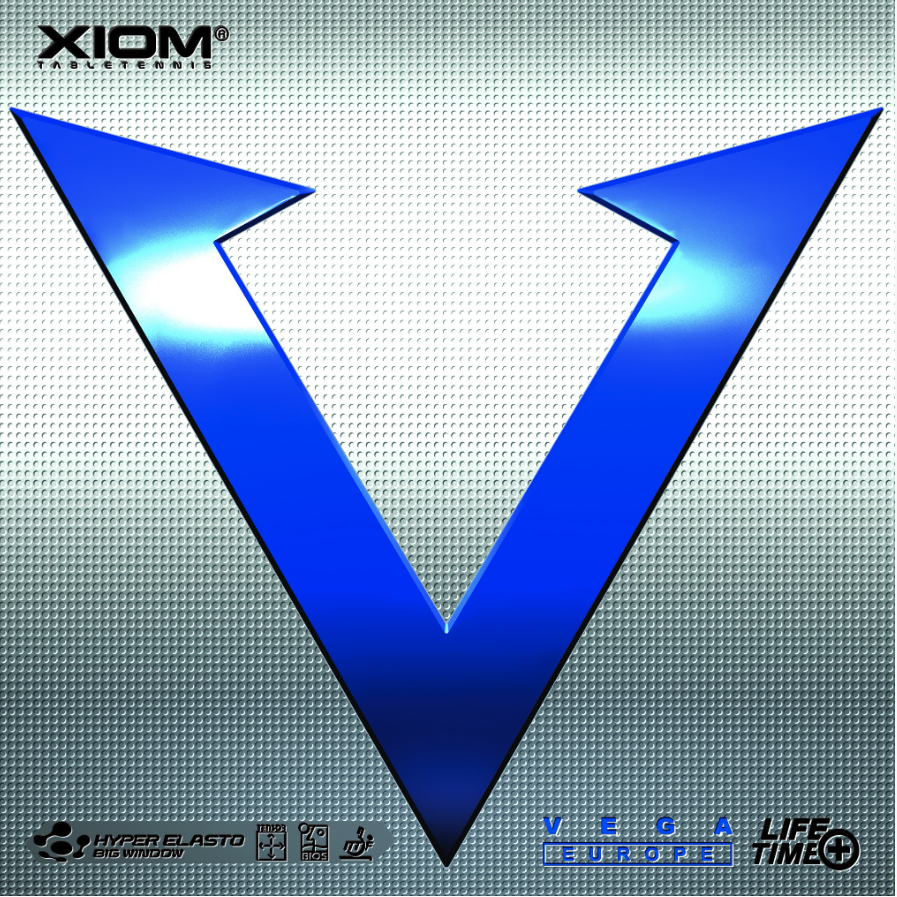
Xiom
Vega Europe
The Feeling: The King of intermediate backhands with a massive safety window. It lifts backspin effortlessly and makes a satisfying loud sound. It was my first backhand rubber until I took the hybrid path later on (I discovered that I prefer hard tacky rubbers also on my BH), but gave me a lot of confidence to start attacking on my backhand when I didn't know what I was doing. Its price is fantastic and it's widely available in all continents.
The Alternative: Butterfly Rozena
Butterfly
Rozena
The Feeling: It works for the forehand but where it truly shines is on the backhand due to its Tenergy-lite structure and spring sponge. It can easily lift backspin with shorter backhand strokes and can hit through if you want a punchy backhand. I still prefer the Vega Europe for a first intermediate rubber due to its less bouncy and slightly more forgiving nature but as I said before, if Tenergy is your aspiration, start with Rozena and you can't go wrong.
Aside from these 2 options, there are other notable rubbers to mention here that can work perfectly fine too. One of the budget options is the Palio AK47. The community agreement is that either blue (a bit softer) or yellow (a bit harder) are perfect for a developing backhand, so choose your poison! Another budget option worth mentioning is the Yinhe Moon 12 Blue (soft). The table tennis community has mentioned it a couple times on this Table Tennis Daily thread and they believe it's a great budget alternative! And if you need a faster first intermediate rubber for your backhand, the Donic Bluefire M3 is a good alternative too. It's basically an updated version of the Desto F3 that many people have used in the past, also a great controlling rubber. If you are a fan of the Donic feeling, this may very well be your next rubber. Another Table Tennis Daily member mentioned the Joola Dynaryz CMD as a very controlled rubber. I have tried it and you can feel the bounce, but it's moderate. It can be a good alternative if you like the Joola feeling.
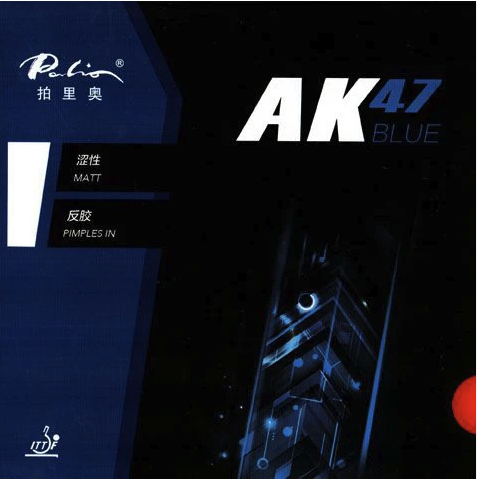
Palio
AK47 Blue
Yinhe
Moon 12 Blue (Soft)
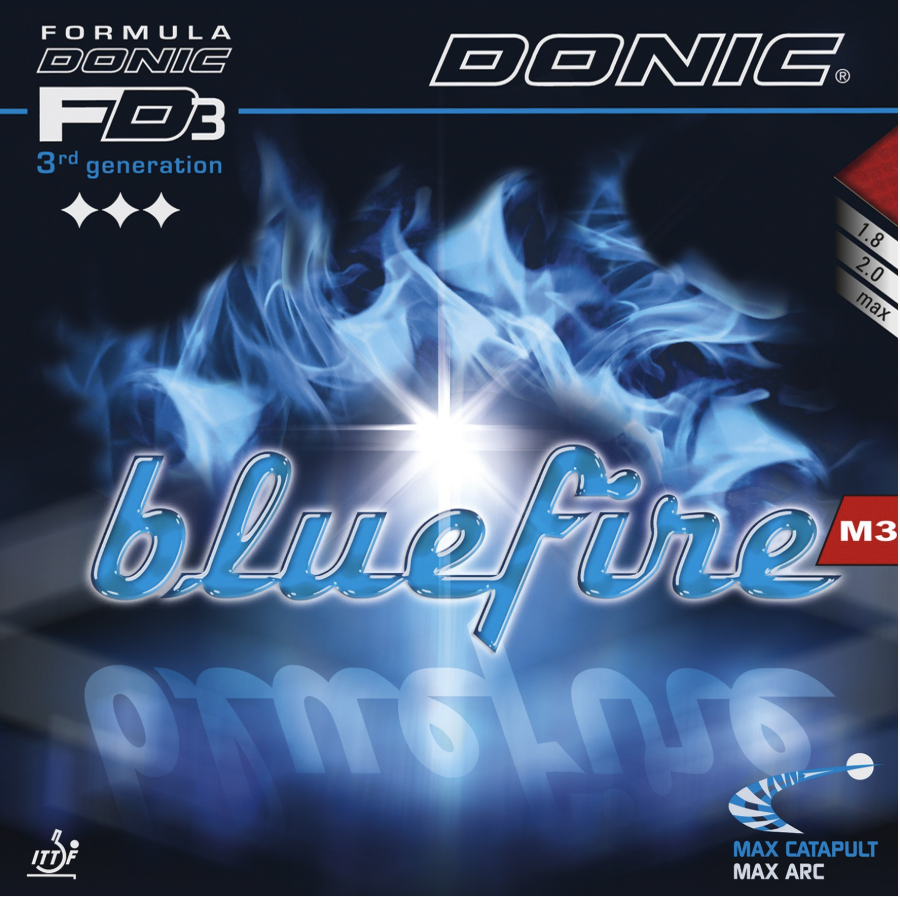
Donic
Bluefire M3
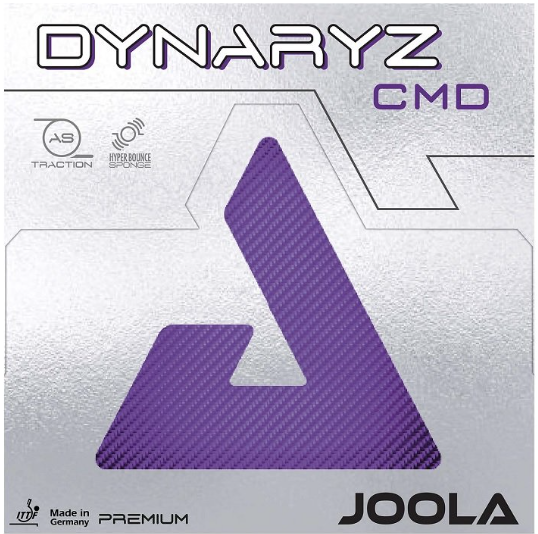
Joola
Dynaryz CMD
Path B: The Hybrid/Chinese Style (Medium Hard & Sticky)
Best for: Players who prioritize a tacky spinny feeling (like me) and who want to learn a different style of playing backhand more focused on spin, body power, and a linear approach to power. It is also very good for those of you who want to use faster hybrid rubbers later like Dignics 09C, Rakza Z, Jekyll & Hyde C55, etc.
The Recommended: DHS Hurricane 8-80
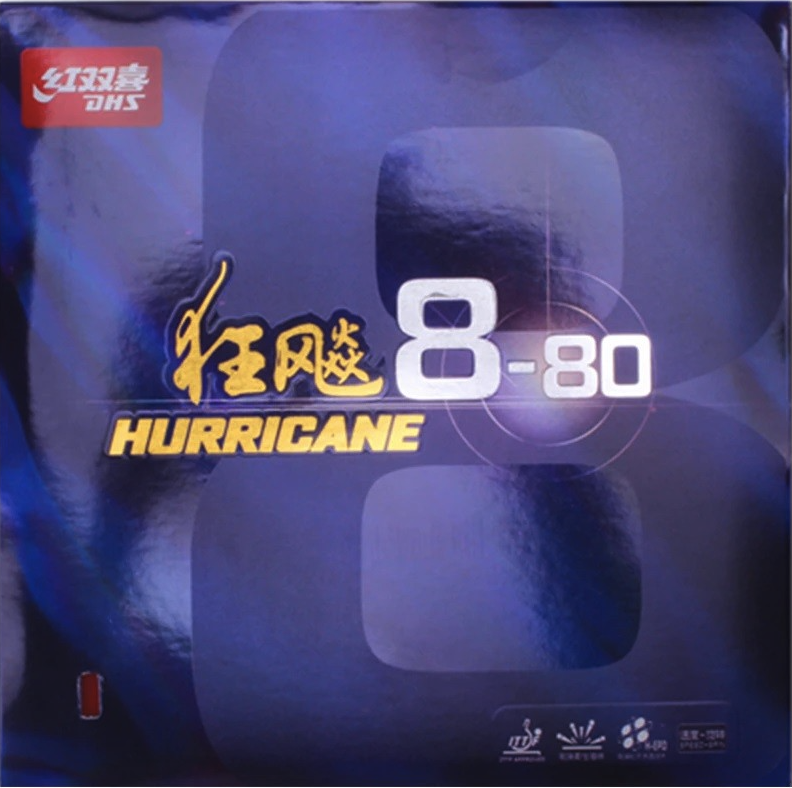
DHS
Hurricane 8-80
The Feeling: This is perhaps the toughest choice for me whenever somebody asks me about a tacky backhand for intermediate players. I always struggle between the 8-80 and 3-50. Why? Well, they are both great, and it really depends on the preference of the player, so I can never decide before I talk to whoever wants it. 8-80 is very tacky with a softer sponge; it plays similar to a H3N 37 boosted well, but with a higher throw angle. Plenty of speed, spin, control, and confidence. On the other side, 3-50 is also a great rubber, a bit slower and spinnier, having a bit more of the tacky Chinese rubber feeling. Personally, I chose the 8-80 above the 3-50 while playing, but for those looking for more control and a tackier feeling, the 3-50 is an excellent choice too.
The Harder Alternative: Hurricane Neo 3 37
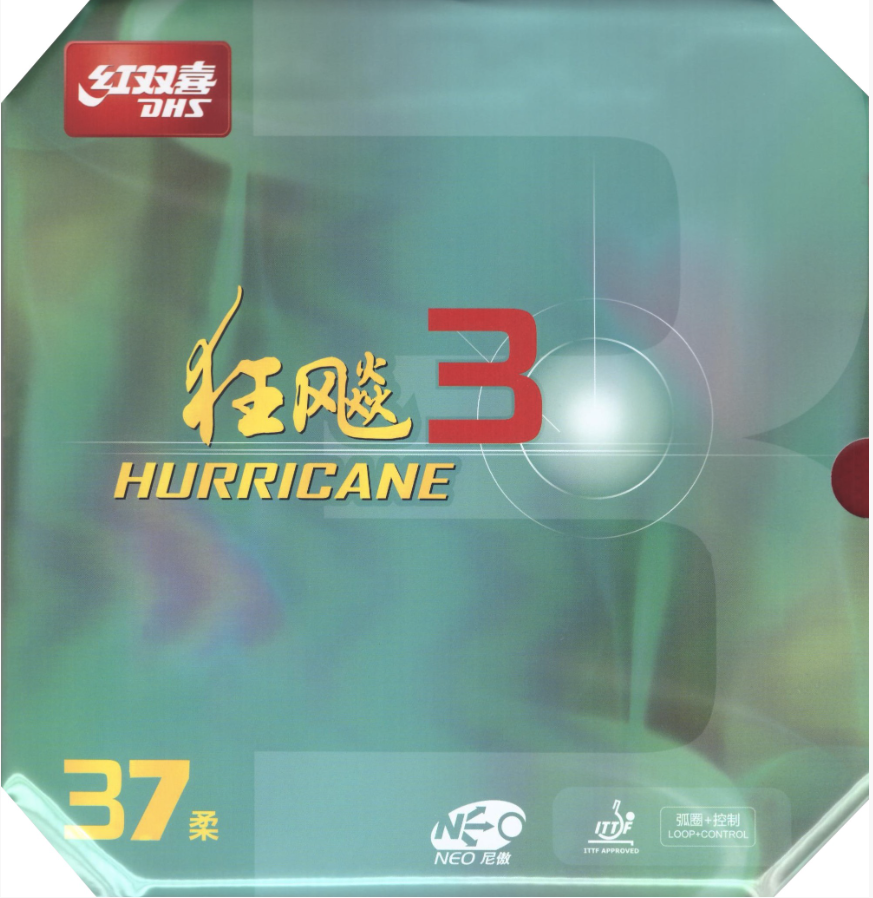
DHS
Hurricane Neo 3 (37°)
The Feeling: This rubber has a special place in my heart as I used it for 2 years and it gave me the confidence to make big backhand shots, something I have never dared to do before. To be clear here, it needs to be boosted, I have used it unboosted too, and it was not as good. But with 1 or 2 layers of Haifu Seamoon, it is great, intensely tacky, medium hard, lots of control and spin, not so much speed, but incredible power if you hit through. It's not for the faint hearted, and needs plenty of body plus footwork to create any meaningful speed, that's why later on I changed to Dignics 09C, but it is a very fair and rewarding teacher.
Conclusion: Respect the Process
So, that was a seriously long wall of text. I hope you enjoyed reading this and that it will guide you into making better decisions when the time is ripe for an upgrade. And remember that if at any point you get lost in the dark forest of equipment, you can always reach out to me, I'm happy to help!
For now, I'll leave here and remember to go step by step, learn to walk before you run so don't throw away your 5-ply wood blade yet. By pairing it with these intermediate rubbers, you unlock gears you didn't know you had. You keep all the benefits of a great blade, but now, when you apply that "hit-brush" technique we talked about, the ball will finally respect your effort and you can stop forcing your technique.
Perhaps you even find yourself hitting the brakes a bit in the beginning, this is normal, don't worry, just commit to your technique like you did before and remember that any balls going long are always better than them falling into the net.
So, save your money and time, focus on your technique and playstyle tactics, and upgrade only when your body demands it.
See you at the table!
Need personalized equipment advice?
I can help you find the perfect blade and rubber setup for your playing style.