How the Butterfly Viscaria Ruined My Technique (And Why It Might Be Ruining Yours)
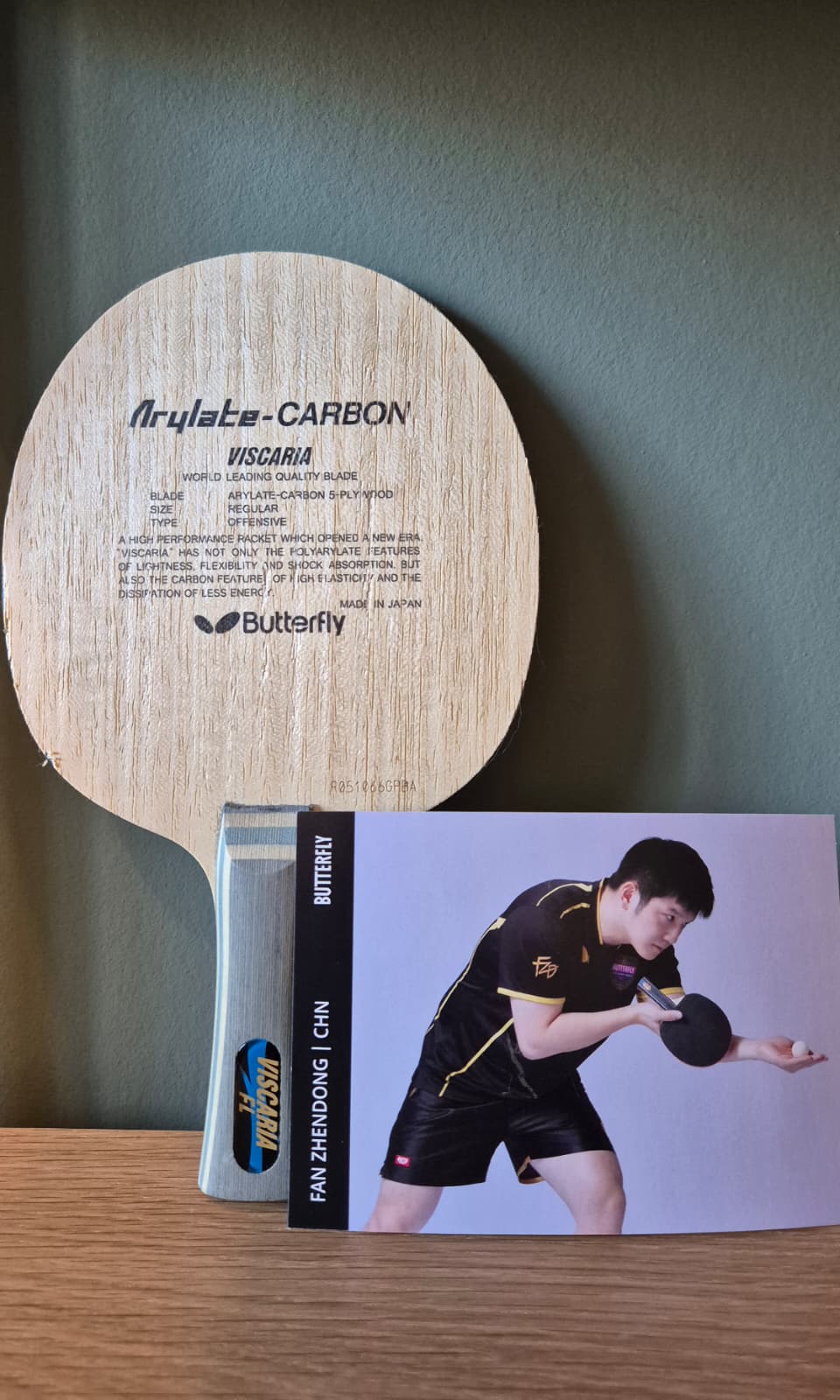
I paired a pro blade with beginner rubbers in 2017. It cost me one year of progress.
Walk into any table tennis club in the world - from Düsseldorf to Tokyo - and you will see the same thing: Beginner and intermediate players holding a Butterfly Viscaria (or any of its cousins, the Timo Boll ALC, ZLF, etc).
And yes, I admit it is one of the golden standards. It is the blade used by World Champions for generations. It is a beautiful piece of art yet for 90% of amateur players, including myself when I started playing table tennis it is actively destroying your technique and making you waste time and money.
I know this because I lived it. In 2017, I was a beginner who fell into the "Equipment Junkie" trap. My technique was poor and my footwork was non-existent, leaving me with zero power and control. Naturally, I didn't blame my training; I looked for a material fix.
I dived into the forums, but that only made it worse. Every post said something different, and most advice came from advanced players recommending gear that was totally unsuitable for a learner. On top of that, the big brands are always pushing their most expensive, high-tech blades as the "secret" to pro-level play.
So I took the bait. I bought a Viscaria, thinking it would be a magic fix. I paired it with slow, hard Chinese beginner rubbers (Friendship 729 Super FX), creating a setup that made no sense. I had spent a fortune on the wrong equipment, and my feeling for the ball didn't get better - it vanished. My technique didn't just stall; it went backwards. I wasted time and money trying to tame a racket that was spitting the ball out before I could even feel it.
So, why did this even happen? What went wrong? Let me explain you the science behind 'Pro Gear' being the worst decision you can make as a beginner or intermediate table tennis player:
The Science: Stiffness, Dwell Time & Feeling
To understand why I failed with the Viscaria, we have to look inside the "sandwich."
A table tennis blade is a mix of wood and artificial materials. The Viscaria is a 7-layer blade (5 plies of wood + 2 plies of carbon), but the real danger for beginners lies in its structure. It is an "Outer Carbon" blade, meaning the carbon layers are placed directly underneath the thin top layer of wood, rather than being buried deep in the core.
This placement drastically amplifies the speed and power because the ball impacts the hard carbon layer almost instantly. The Viscaria uses two very specific ingredients in this outer shell that define its character:
The Trampoline Effect
The combination of Koto and ALC creates a blade that is stiff, fast, and powerful. When the ball impacts a pure wood blade (like a Stiga Allround or Butterfly Primorac), the racket "flexes" slightly, catching the ball like a baseball mitt before throwing it back. We call this 'Dwell Time' - the fraction of a second the ball stays connected to the blade before shooting out.
The Viscaria, however, does not flex. It rebounds. This creates a very short Dwell Time. The ball shoots off the racket face instantly.
This lack of contact time is critical because it kills your "feeling."
When the ball leaves the racket so quickly, you get almost zero vibration feedback to your hand. You cannot feel if you brushed the ball thinly or hit it flat. Without that sensory feedback, your brain never learns to distinguish between a good stroke and a bad one. You are essentially playing blind, unable to feel your mistakes, which leads to a complete loss of control.
This mechanism is fantastic for Fan Zhendong, who hits the ball with perfect timing and massive force. But for a developing player? It's a nightmare.
My 2017 Mistake: The "Dead Ball" Disaster
When I bought my Viscaria, I paired it with 729 Friendship rubbers because the racket was too fast for me, so I thought I would then have more "control". These are classic Chinese rubbers: very hard sponge, very tacky surface.
This created a physics disaster.
Because my shots were flying long, I unconsciously developed a disastrous habit: I started 'braking' my body and arm motion. Instead of accelerating through the ball, I hesitated. This destroyed my mechanics and caused my loops to dump into the net.
In a desperate attempt to fix this, I abandoned my waist rotation entirely. I started "lifting" the ball with just my shoulder and arm, developing a "safety loop" - a slow, high-arc shot just to keep the ball on the table. Ironically, the Viscaria, a weapon designed for pure speed, had forced me to become a slower and worse player.
The "Lazy Feet" Syndrome
There was a second danger to owning the Viscaria too early: It masked my bad footwork.
You can have the most beautiful looping technique in the world - perfect arm motion, perfect waist rotation - but if you are not in the right place at the right time, it is useless. Table tennis is played with the feet first, not the hands.
Because the Viscaria is so fast (high repulsion), it tricks you into thinking your footwork is fine when it isn't. You can reach out with just your arm, poke at the ball while off-balance, and the sheer speed of the blade will still send it over the net.
With a slow wood blade, if you are out of position and don't use your legs to generate force, the ball dies. You must get in position to make a quality shot.
With a Viscaria, you can be lazy sometimes.
So you stop moving your feet. You stop rotating your core and playing with your legs. You become an "Arm Player." And the moment you play a match under pressure, that technique falls apart and you never get the proper feeling. I have seen many players stop with the sport at this point, such a pity!
Who Could Actually Use a Viscaria?
I am not saying the Viscaria is a bad blade. It is a masterpiece and I still love how it feels in my hand. But it is a fast Ferrari. If you are learning to drive, you don't need a Ferrari; you need a car that forgives your mistakes and teaches you how to drive in a controlled way first.
So, if you have developed full body mechanics using legs/waist for every loop with both forehand and backhand, you have great footwork and play regularly at the state or national level, then perhaps a Viscaria is the right blade for you. Although there are still some other great inner carbon alternatives out there that may bring even better results.
The Beginner Alternatives (What I Should Have Bought)
If I could go back to 2017 when I was still a beginner (and maybe this is your case too), I would have put the Viscaria back to the closet and bought one of these instead:
1. The "True Teacher": Stiga Allround Classic (or Yasaka Sweden Classic)
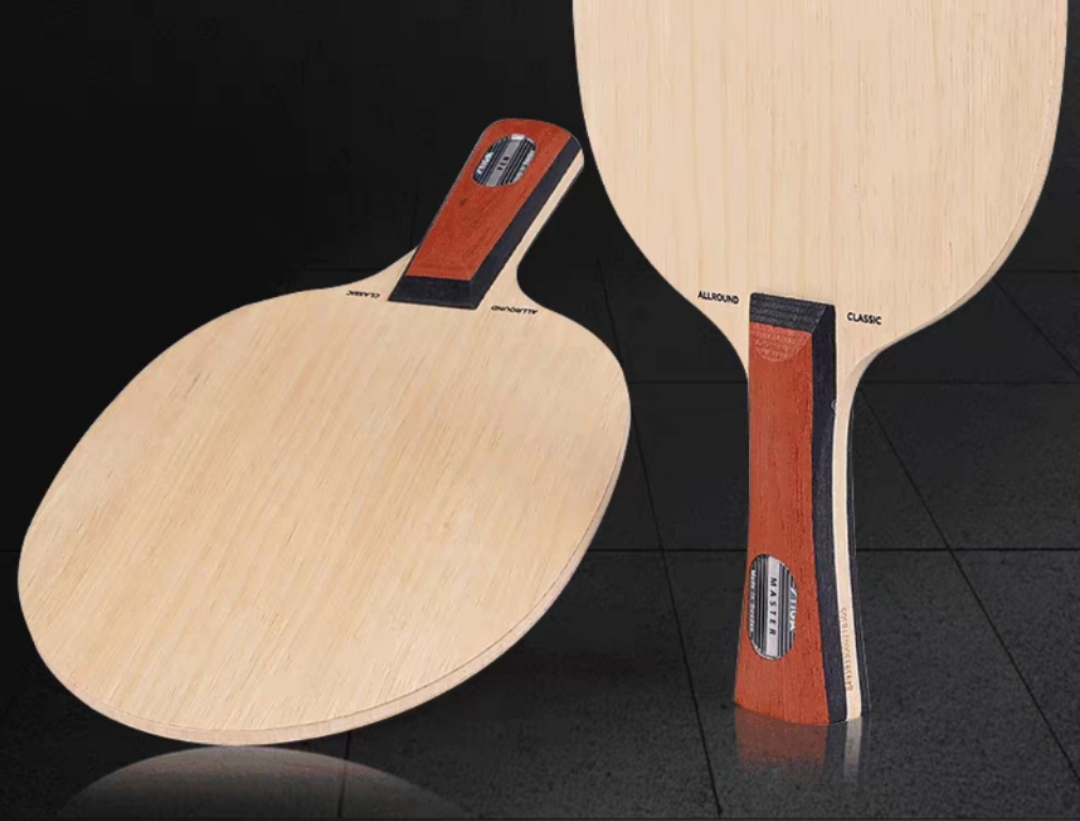
Stiga
Allround Classic
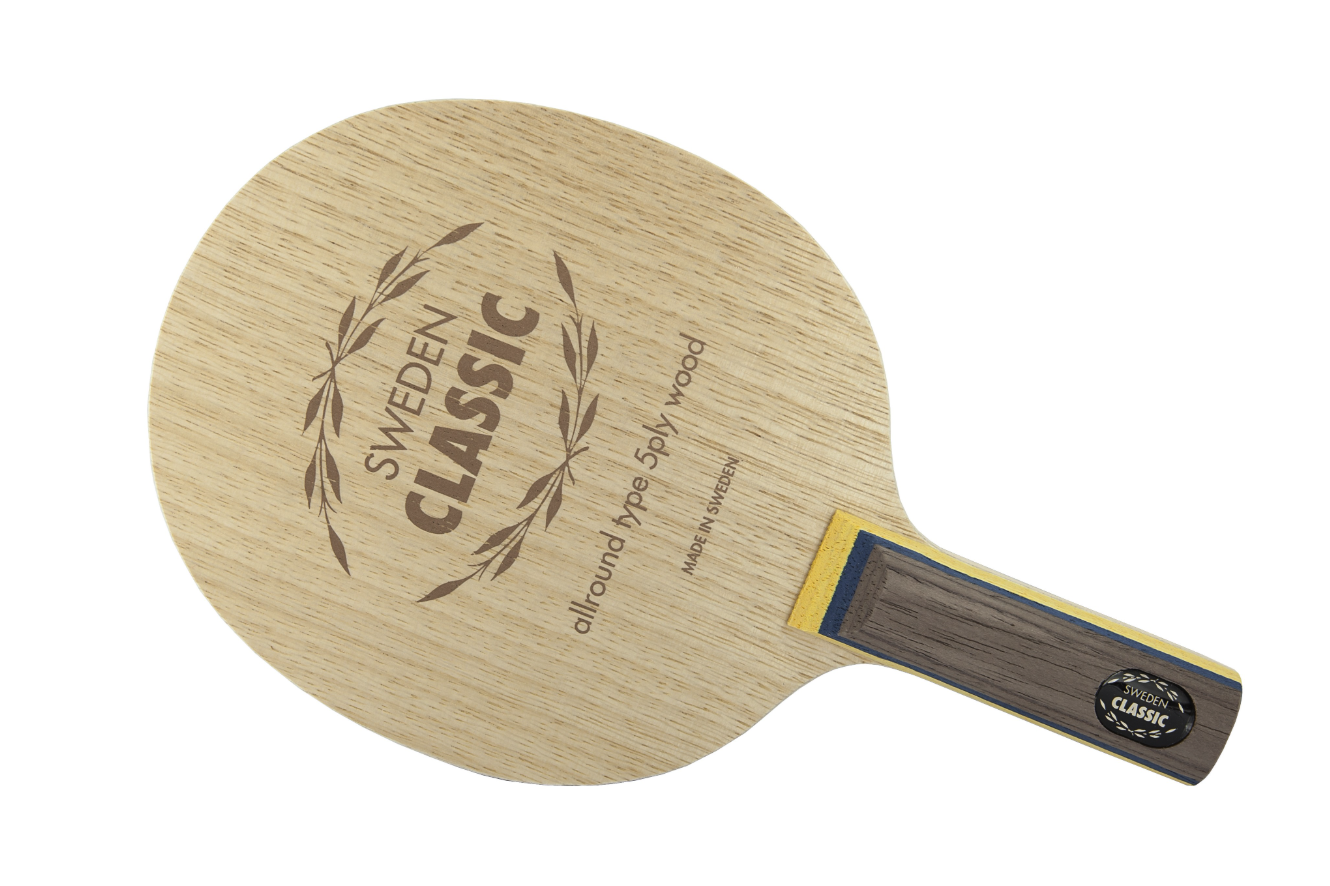
Yasaka
Sweden Classic
These are the blades you should start with. They are slow, yes, but they are honest. Because they lack raw speed, they force you to generate your own power using your legs and waist. If your technique is lazy, the ball goes into the net. They vibrate and "talk" to your hand, teaching you exactly what a good shot feels like.
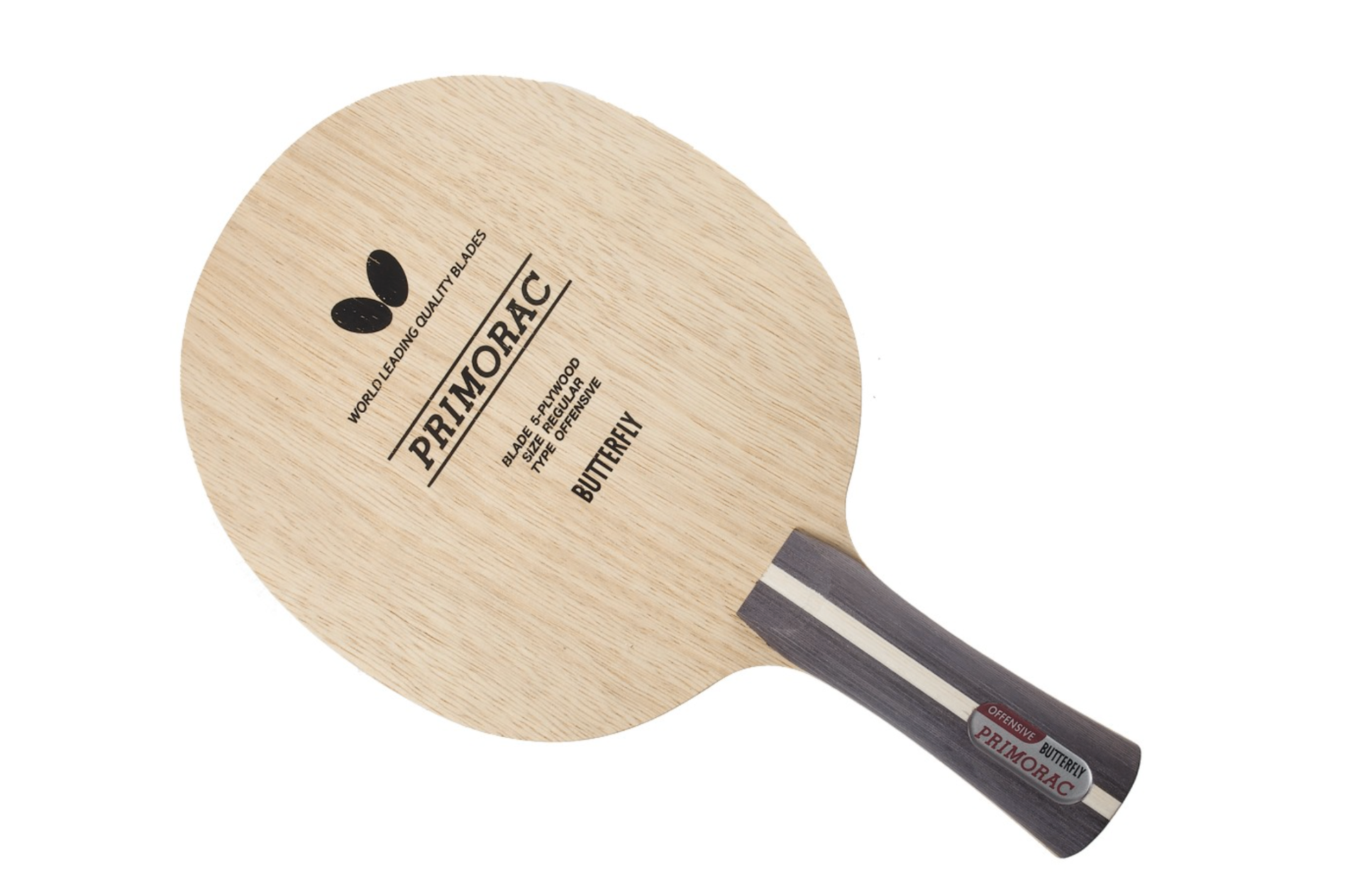
2. The "Refined Control": Nittaku Violin (or Butterfly Primorac)
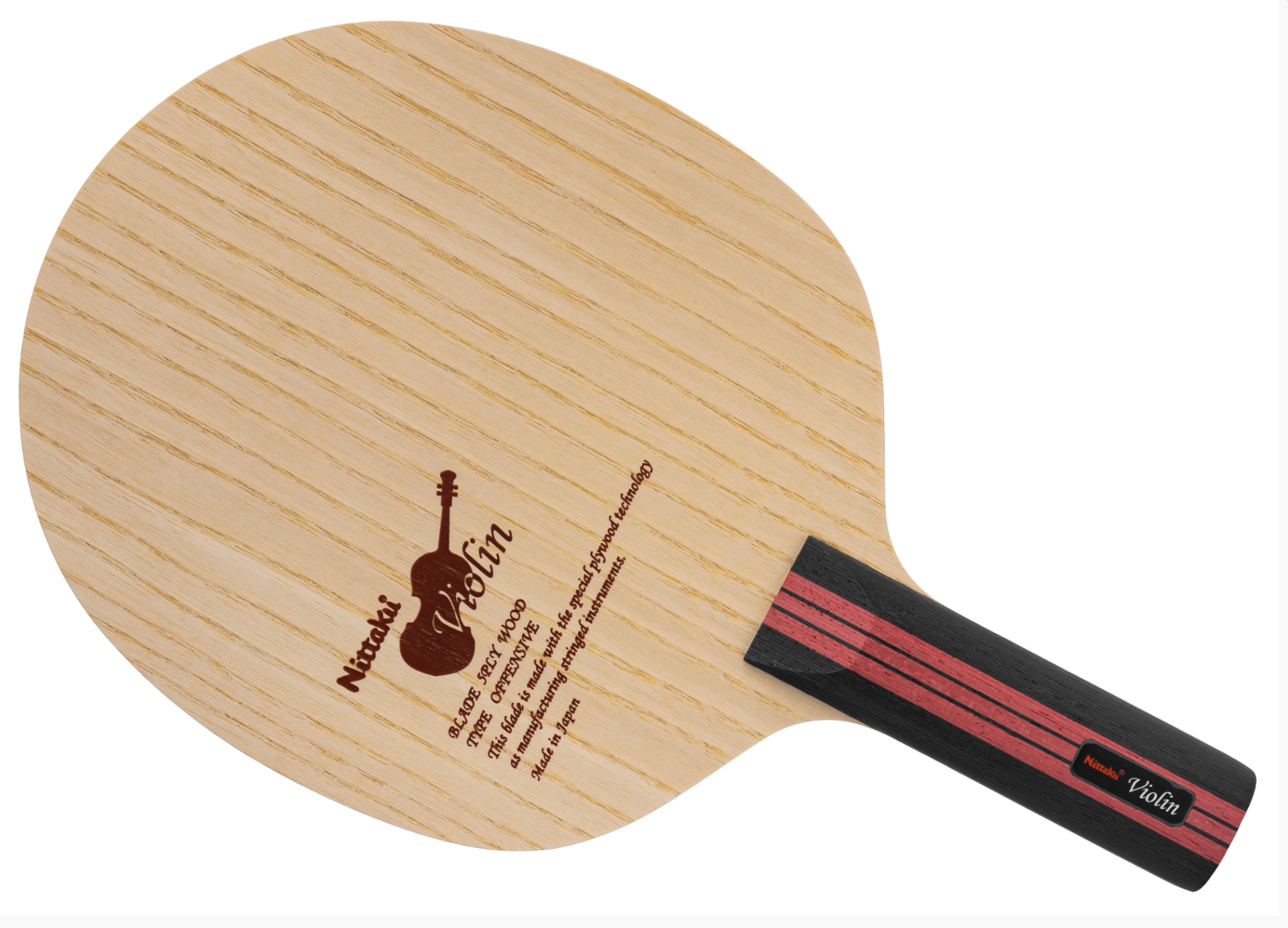
Nittaku
Violin
Butterfly
Primorac
If the Allround Classic feels too slow, this is the logical next step. These are still 5-ply wood blades, but they are slightly stiffer and faster. The Nittaku Violin, for example, is famous for its unique feel (made with acoustic instrument technology). It gives you the speed to finish points while keeping the crucial dwell time you need to spin the ball. I used the Violin for 2 years and it's still my favourite blade of all times.
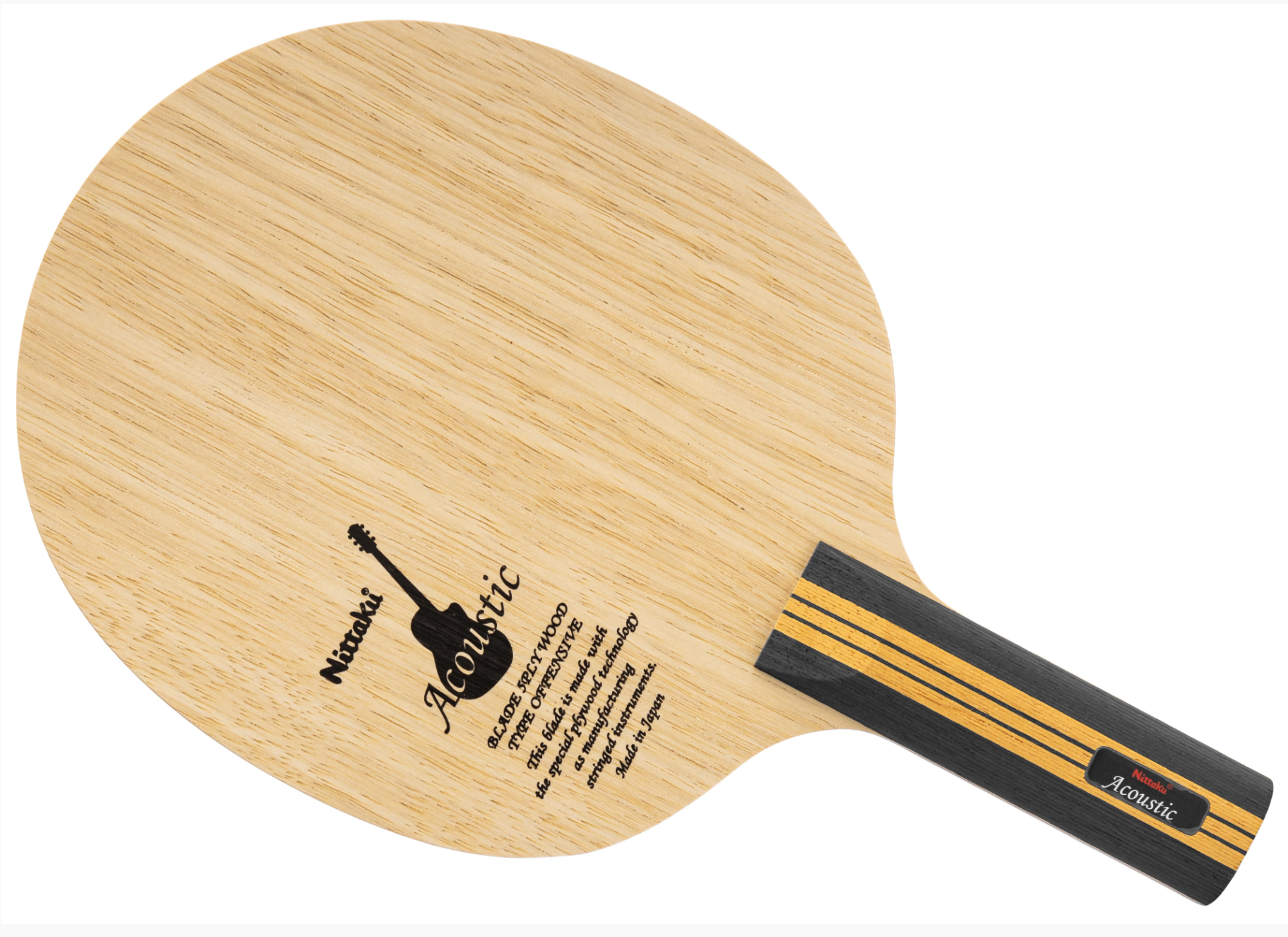
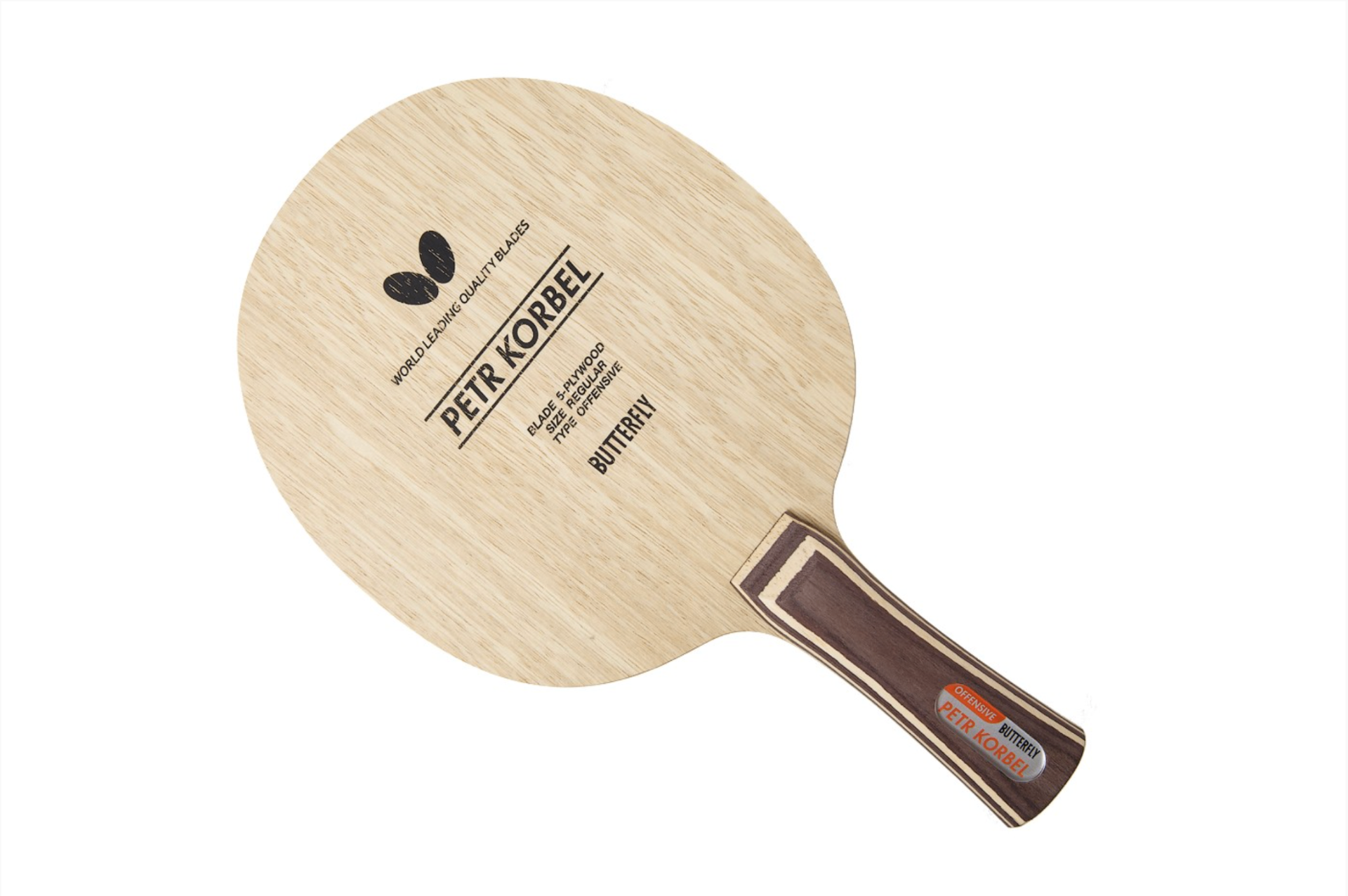
3. The "Pro Wood": Nittaku Acoustic (or Butterfly Petr Korbel)
Nittaku
Acoustic
Butterfly
Petr Korbel
Before jumping to carbon, try a high-end offensive wood blade. The Nittaku Acoustic or Petr Korbel are fast enough for high-level play (many pros used Korbel for years). They offer legitimate power for mid-distance looping, but because they have no carbon, you retain the ability to feel the ball and control the short game. I used the Nittaku Acoustic for 1 year before moving into inner carbon blades and was the right approach. By the way, if you look at all the blades Ma Long had during his career, he did the same!
The Intermediate Alternative if you want to use the Viscaria Long Term: Bridging the Gap
Okay, but what if you are determined to use your Viscaria (because you love the outer koto Butterfly feeling and don't feel home with Limba/Ayous. That's fine by the way!) in the long term but you can't handle it now? In this case, you need a stepping stone. You need a blade that mimics the Viscaria's distinct crisp feeling while providing more control and safety. So let's talk about that!
Here is the ultimate guide to bridging the gap.
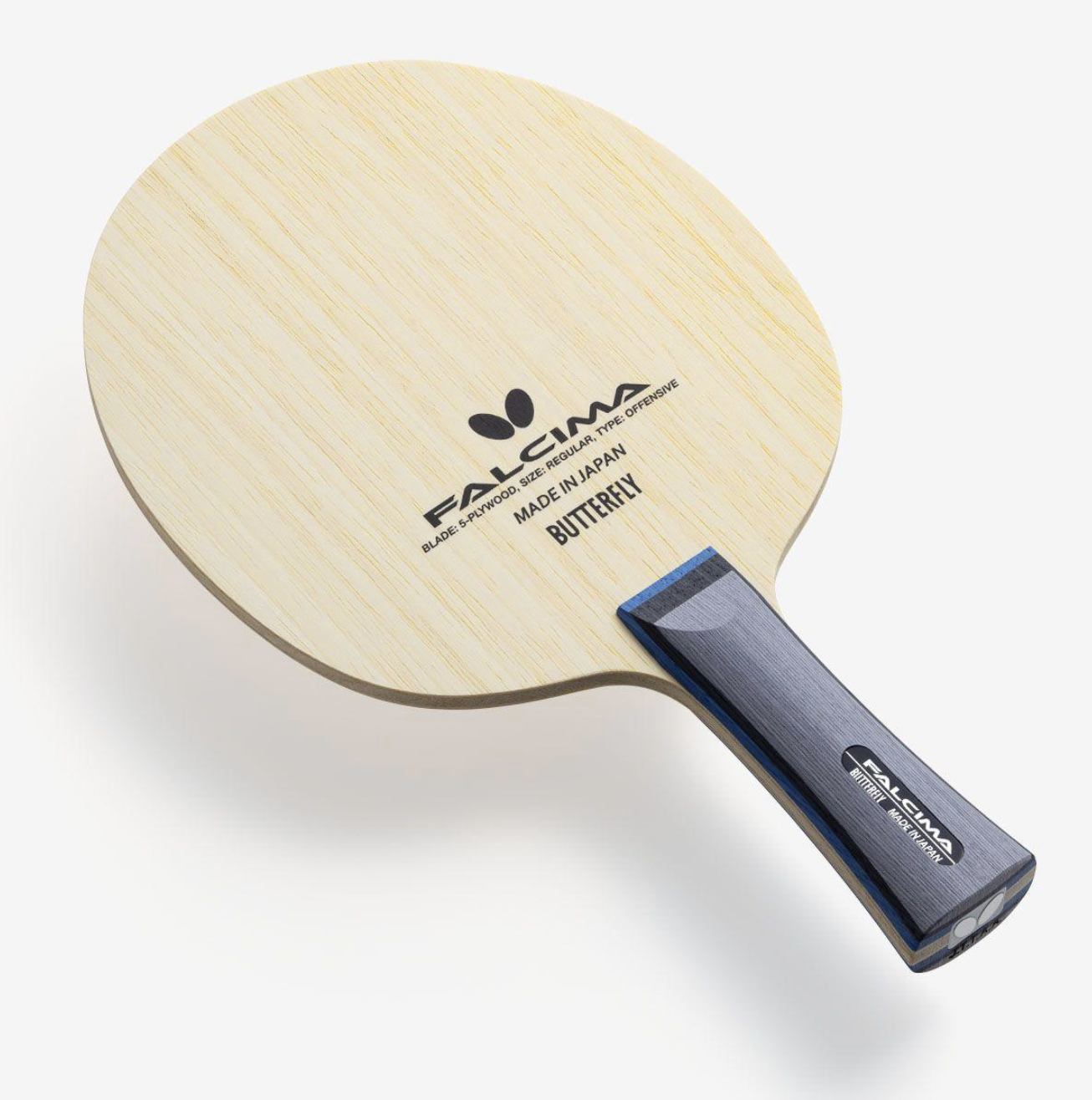
1. The "Pure Wood" Foundation: Butterfly Falcima
Butterfly
Falcima
If you are moving up from a soft beginner blade, jumping straight to carbon is often a mistake. The Butterfly Falcima is arguably the best "Pre-Viscaria" all-wood blade on the market.
The Connection: The Falcima features a 5-ply construction of Koto-Koto-Kiri-Koto-Koto. This is effectively the Viscaria without the carbon and the in-between Limba layer.
Why choose it: It replicates the immediate, crisp feedback of the Viscaria. It teaches your hand to recognize the sharp vibration of Koto wood on contact, but because it lacks carbon, it is significantly slower and offers much higher control. It allows you to swing fully without fear of the ball flying off the table.
2. The "Inner Carbon" Sweet Spot (Koto + Inner ALC)
For many players, this is the ideal transition. By moving the carbon layer from underneath the top ply (Outer) to next to the core (Inner), you get a blade that feels like wood on soft touches but provides carbon power on hard swings.
While Butterfly does not currently produce a blade in this specific category, other manufacturers have perfected this "Viscaria with training wheels" structure:
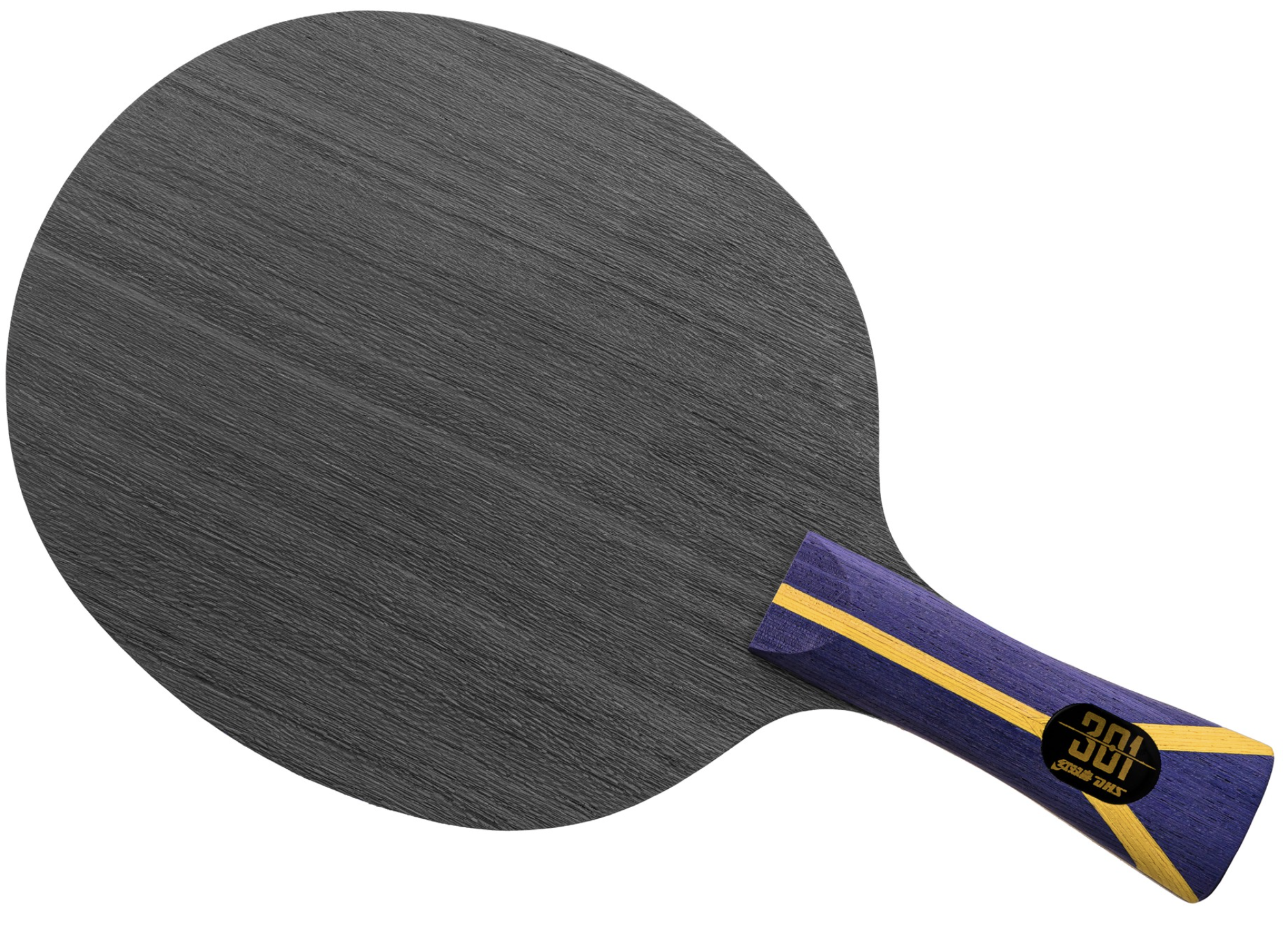
DHS
Hurricane 301
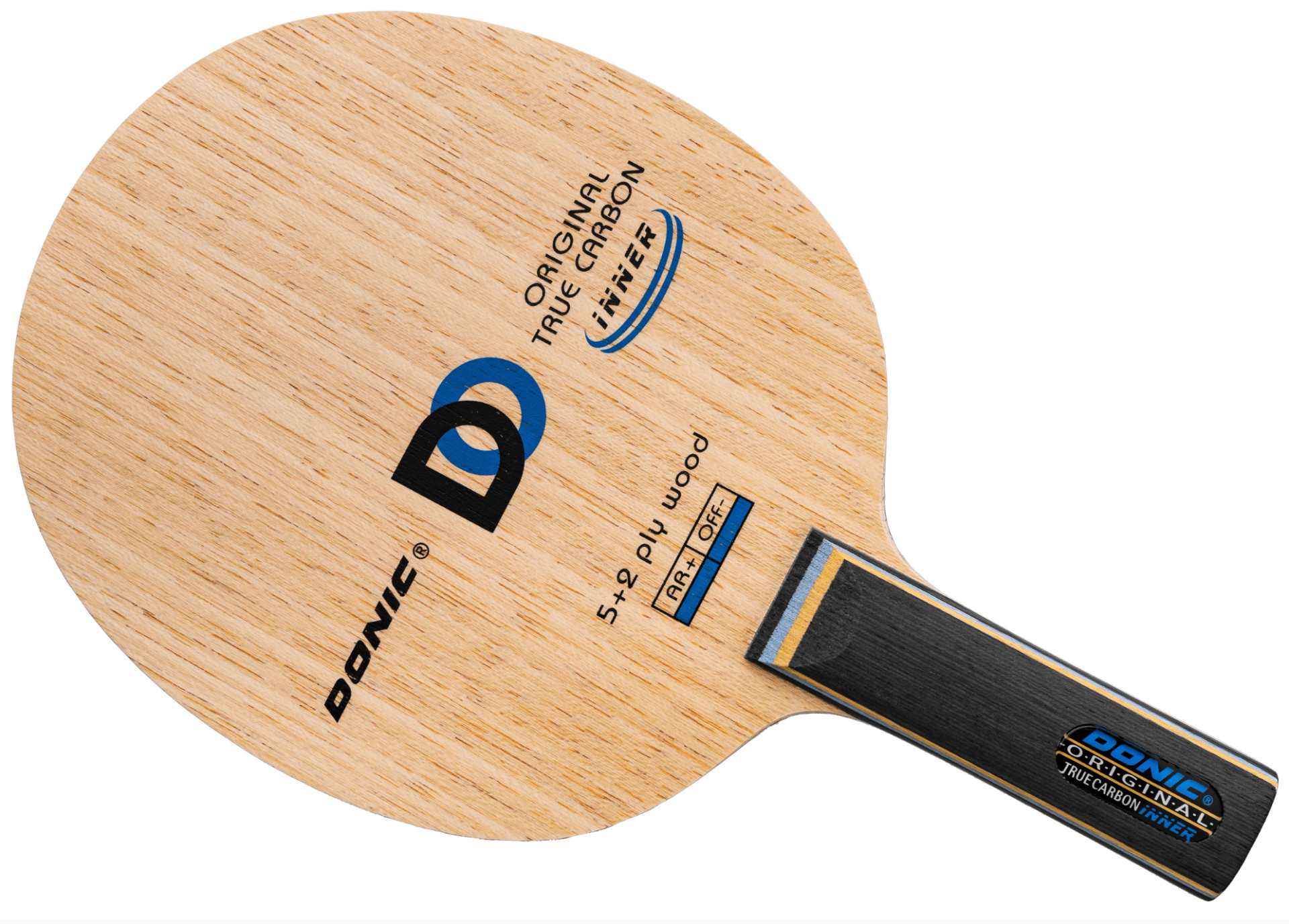
Donic
Original True Carbon Inner
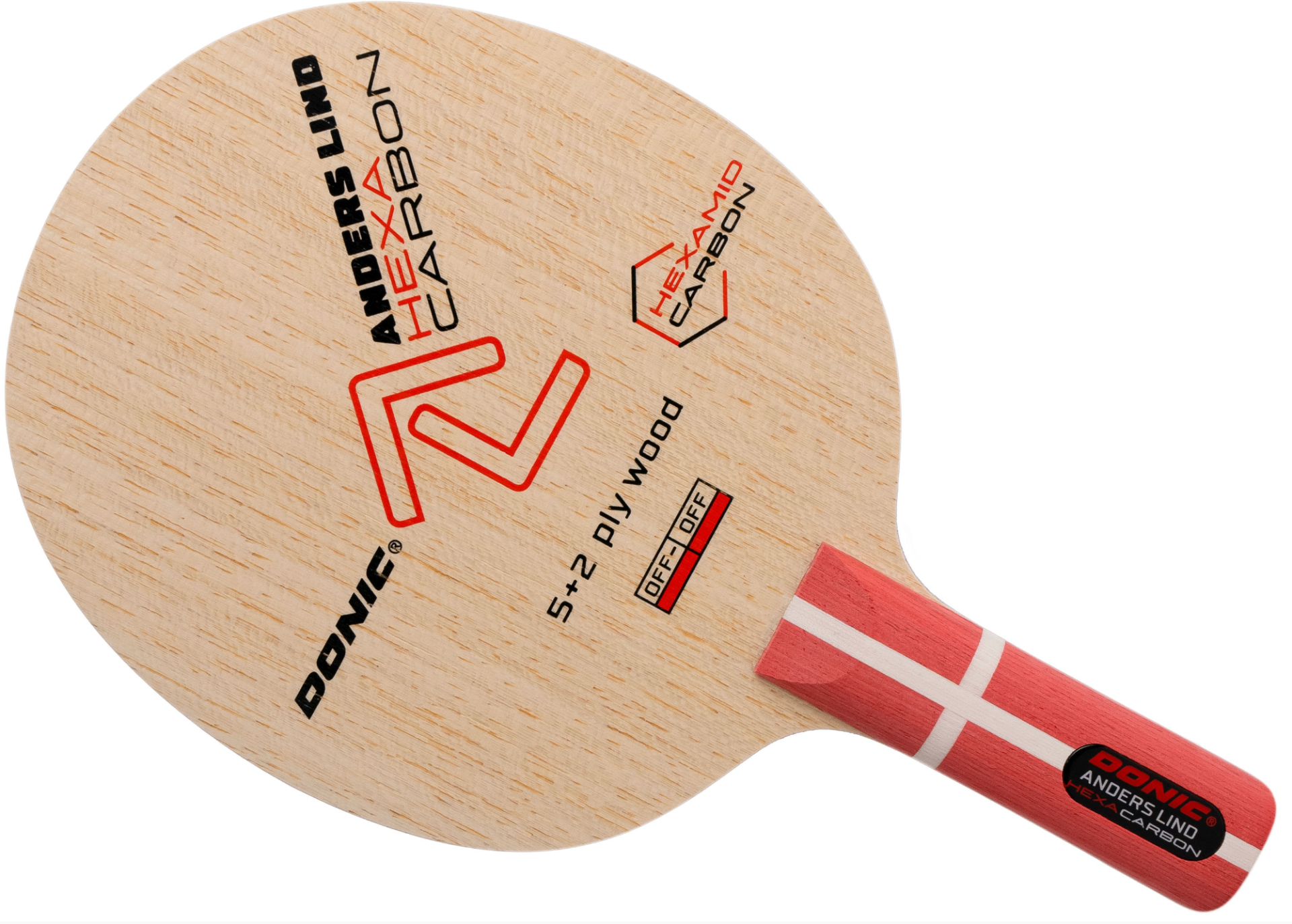
Donic
Anders Lind Hexa Carbon
The Verdict: Escape the Hype Trap
I spent a year frustrated because I bought a blade for the player I wanted to be (a power looper like Ma Long), not the player I actually was (a developing player with lazy feet).
Don't make my mistake. A Viscaria in the hands of a pro is a weapon; in the hands of a learner, it is a wall that stops you from feeling the ball.
If you are struggling with consistency, or if your forehand feels "bouncy" in the short game, your blade is likely too fast for your hands. You need a setup that gives you feedback, not one that hides your errors until match point.
Stop Guessing. Start Improving.
You can risk another €180 on a blade you saw on a forum, hoping it fixes your loop. Or, for the price of a cheap rubber sheet, you can get a roadmap based on your mechanics.
Book a Gear Analysis (€25). Send me an email with a video of your technique, and I'll tell you exactly which blade matches your hand speed - no guessing required.
Ready to stop guessing and start improving? Let's analyze your game.
Need personalized equipment advice?
I can help you find the perfect blade and rubber setup for your playing style.